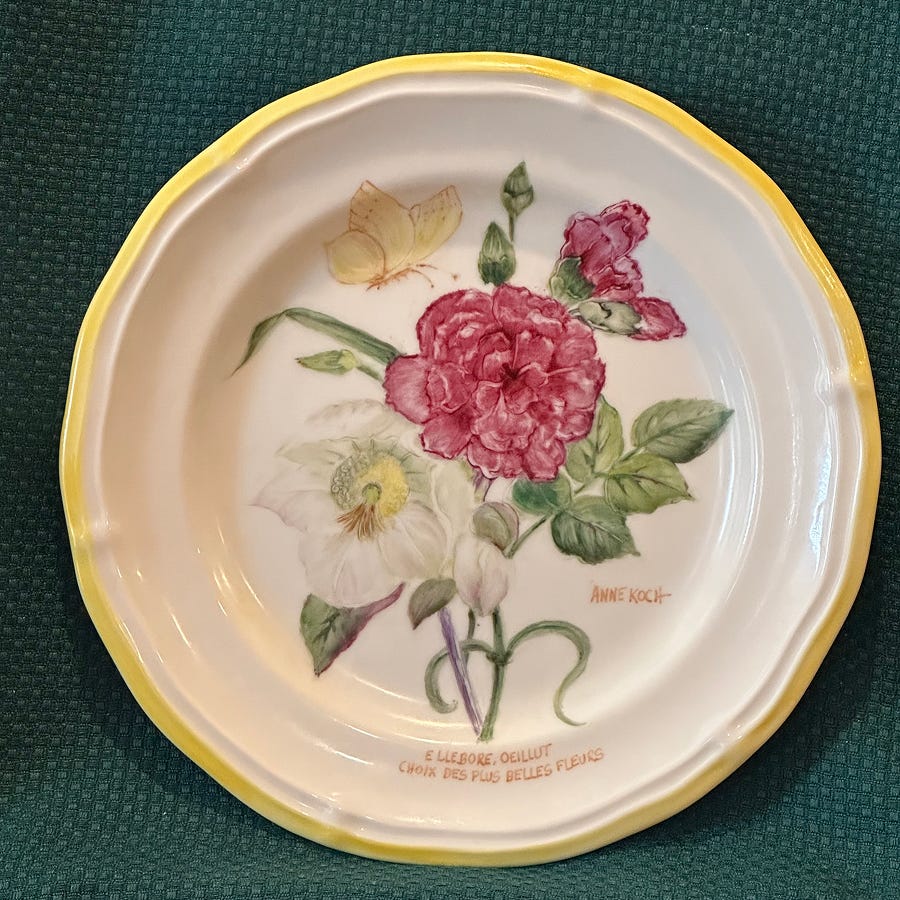

To See the World in a Grain of Sand, / And a Heaven in a Wild Flower, / Hold Infinity in the palm of your hand, / And Eternity in an hour.
—William Blake
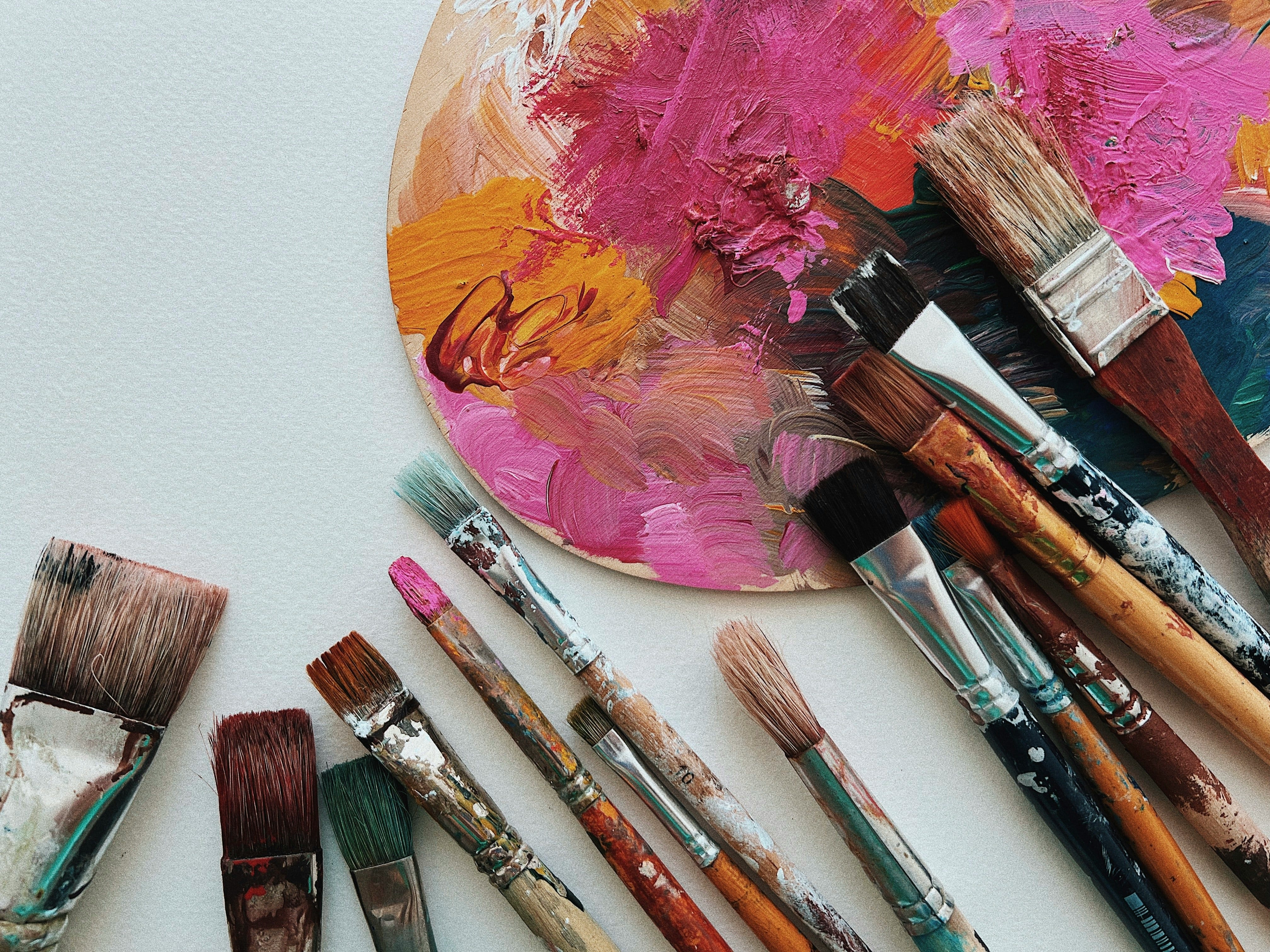
I couldn’t recognize the train wreck of my once-ordered life. Anxiety, a new unwelcome companion, destroyed my concentration. My mother’s long hospice sojourn, together with disillusionment with a job that was supposed to be the pinnacle of my career, conspired to make me a case straight out of Mignon McLaughlin’s “The Neurotic’s Notebook.” In it he observed, “Love looks forward, hate looks back, anxiety has eyes all over its head.” In 1999—me, me, me.
On impulse, I decided to visit the local library. I hadn’t stepped inside in a decade. Just another example of how distorted life had become, I thought. Disgusted with myself, I paused by the statue near the front sliding doors. The bronze figure, a young girl, lies on her stomach, gazing into a book. The statue’s title: “Forever Reading.” Once that had been me. Focused. Engaged. Captivated by the artistry of storytellers.
The walkway was a crowded stream funneling young mothers clutching squirmy toddlers, jostling teenagers from the middle school across the street, senior citizens, city employees from the building next door. Everyone looking for something in one of the few places that has something for everyone. What was I looking for? I had no idea.
***
The lobby’s left side was a wall of colorful Plexiglas sleeves like the grid from a giant board game. Pamphlets and flyers on the pulse of the city jockeyed with community college and adult education course offerings, tax forms, childcare agencies, tutoring programs for English learners, story time schedules, upcoming city council agendas, volunteer opportunities. There was nothing titled “for the disoriented and depressed.”
Disappointed, I glanced at two large display cases stretching along the opposite side. Lined with black velvet drapes, they were filled with hand-painted china — vases, plates, boxes, pitchers, portraits, serving bowls — arranged around a small sign:
Student projects of porcelain instructor Ann Apperson. Beginning students need no previous experience. Learn the basics of design, mixing, and powder paints with an open medium. Kiln firing and registration available through the City of Pleasanton.
***
Painting was part of the landscape of my early married days. The concentration and focus it required had been almost as captivating as reading. I remembered those hours with my paints, stolen from the tyranny of daily demands, with a fondness burnished by the romance of distance. While I wasn’t longing for the past, I was looking for something…something outside the mainstream, something absorbing. China painting seemed perfect…a glimmer of another time that somehow slipped through the cracks of yesterday, as out of place as unicorns and fairies. Which, I thought to myself, is one of the problems with the present. Excited, I left without a single book. I had an idea instead. I signed up for winter session.
***
The first project was a peach study on a 12-inch “chop plate.” The teacher talked about the botany of construction, made points about leaf size and growth patterns, and demonstrated on a Masonite plank. She explained paint mixing, wrote the colors on the white board behind her, then sat back to watch, like a harbormaster surveying boats approaching a dock. One by one we were called to her table where she asked questions and made corrections. Week after week I worked on the dusty red and yellow peaches, their deep green narrow leaves trailing haphazardly down the plate. Week after week she looked at my work, furrowed her brow, and sighed. “What is THIS?” she often snapped, pointing at some offending part of the design with the tip of her brush. Before I could answer she wiped off most of what I had concentrated on for the last hour in 10 seconds flat. “Keep practicing.”
Every week, we sent our unfinished work home with the teacher, who fired the pieces in one of her four kilns. I always hoped something miraculous would happen in the firing, fixing my mistakes, but the pieces came back looking just as I sent them in. At the end of the term I showed my husband the peach plate that had occupied so many hours. Looking up from his desk he said, “Nice apples.”
It was an inauspicious beginning. Or was it?
China painting and tole/oil painting are like badminton and tennis. Both sports use a racket and a net, but otherwise employ very different techniques. China painters move from light to dark; tole/oil painters do the reverse. China painters mix powdered paints; tole/oil painters use premixed tube colors. China painting has been in decline for 200 years—fewer than 3,000 painters are left worldwide; tole/oil painting remains popular with millions. Even the brushes are different. But there is one arresting similarity. They both require focus and concentration.
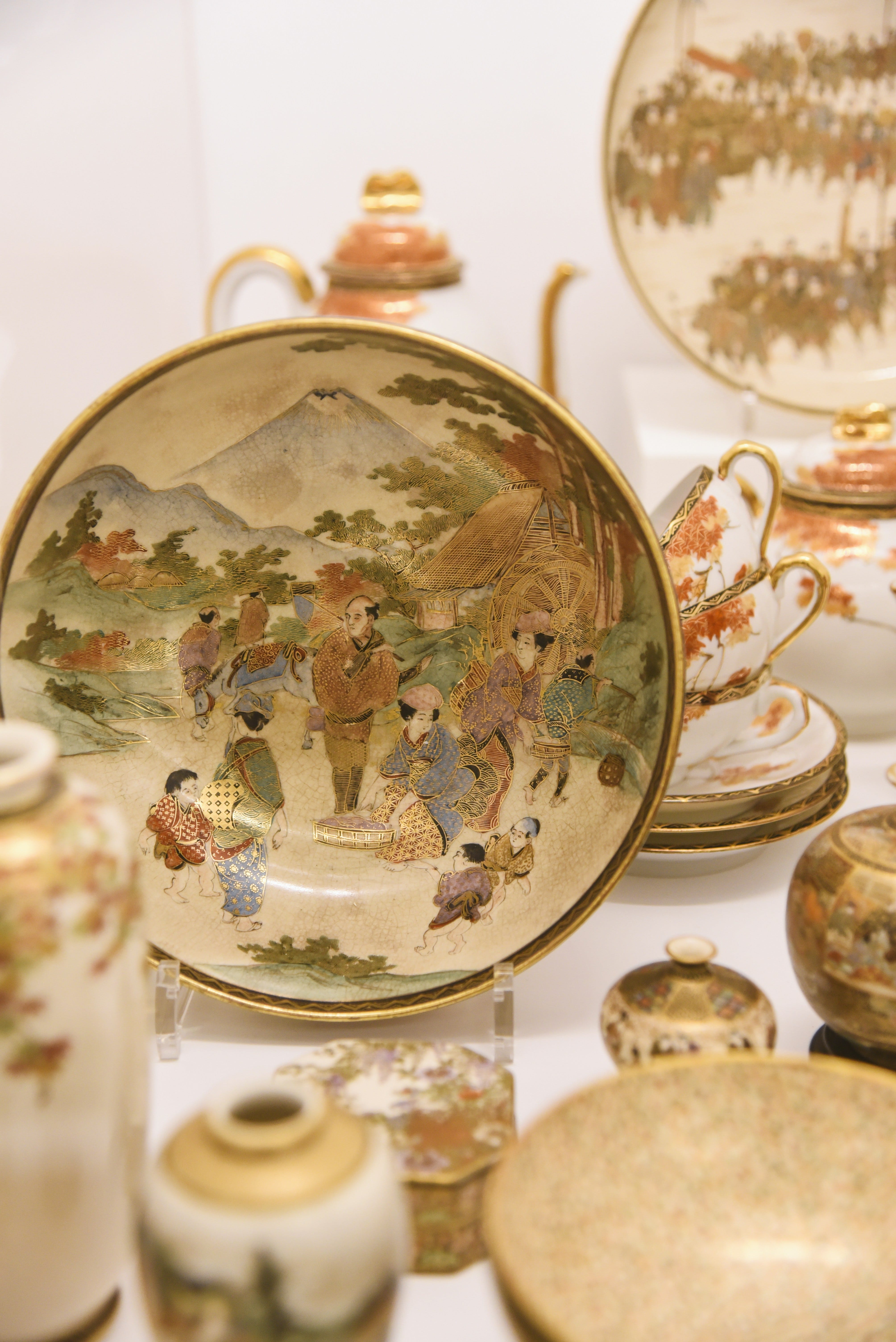
The term ended. I studied my project. It didn’t look like any peaches I had ever seen, but I saw something else. I saw hours of dedicated work. Hours spent amid people creating something special from something ordinary—a common California fruit. Hours of having assumptions about what I thought I knew about painting challenged. Hours of learning. Hours of practice. Hours of… fun.
***
Vincent Van Gogh was a complicated man: a victim of epilepsy, an alcoholic, maybe made insane from the leaded paint he worked with. Fortunately for him, and us, Van Gogh was able to self-medicate. In the Philadelphia Museum of Art’s “Van Gogh: Up Close,” the introductory brochure says, “Focus on a small detail of nature allowed him to keep a calm frame of mind. Focus helped him put down the fires in his head.”
He wrote about finding transcendence in a blade of grass. It’s an image not unlike T.S. Eliot’s writing in “Four Quartets”: “We must be still and still moving / Into another intensity / For further union, a deeper communion.”
Van Gogh’s landscapes with their painstaking details of tree bark, groupings of irises, sunflowers, and vines brought him moments of peace. It is the peace most craftsmen and artists seek. Lucky ones find it. Maybe that is everyone’s search. It has been mine.
***
Prisms disperse light into a spectrum or reflect light out. China painting became the prism through which I gathered the shards of broken dreams, and built a new shape. Twelve years have passed since that first winter class. My peaches look more like peaches now. There are bigger challenges—far beyond painting. Harder to solve, but easier to know where to begin. Start light, then adjust, then deepen. Don’t overpaint. Works for most everything.
Through a paint box prism the world came back into focus.